FORTYEIGHT Room economics Apply as a hotel

A commercial case for hotel revenue teams

The economics of
an empty room.

At midnight, unsold room revenue becomes £0. Before midnight, a late booking can still add contribution after the costs created by occupancy.

See the room maths
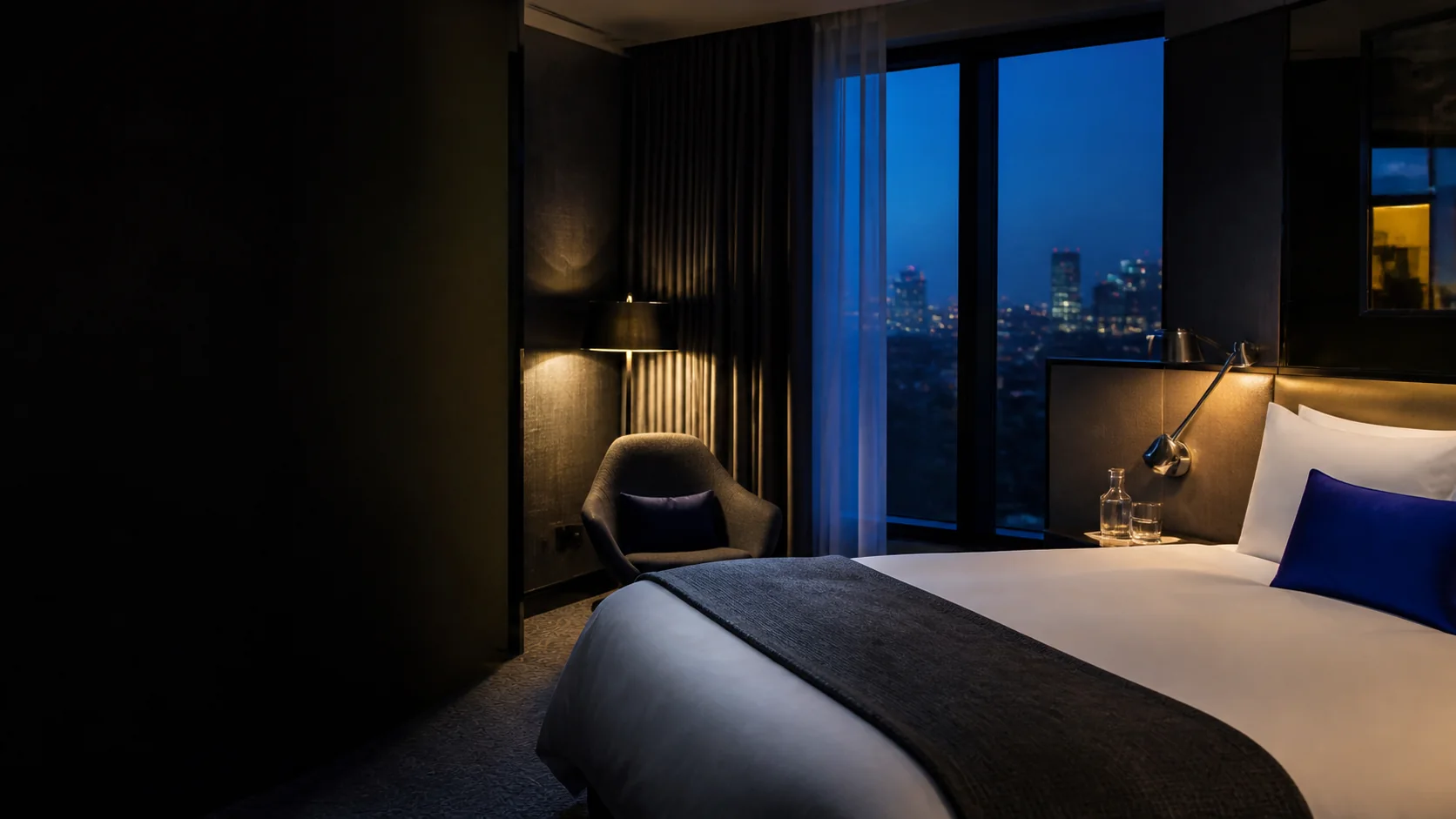
An unoccupied hotel room at night
48 hoursOne perishable night

The worked example

Deep discounts can still contribute.

Based on published operating data from a real UK limited-service hotel, with an assumed channel charge.

Follow one £100 room

Comparable public rate £100
True last-minute guest price £67 One-third below public rate
Hotel receipt after assumed channel charge £57

Commercial terms and each hotel’s cost base will differ.

Costs created by the stay £20.78

Cleaning, linen, utilities, upkeep and other room operating costs.

Estimated room contribution £36

Revenue that disappears if the room reaches midnight unsold.

Cleaning £11.91Linen £3.84Utilities £2.59Room upkeep and other operating costs £2.44

Where the logic holds

Only incremental bookings count.

Forty Eight is deliberately constrained so the discounted booking adds revenue rather than replacing demand the hotel could have captured normally.

True last minute

The room is likely to remain unsold.

Inventory appears only inside the final 48 hours before check-in.

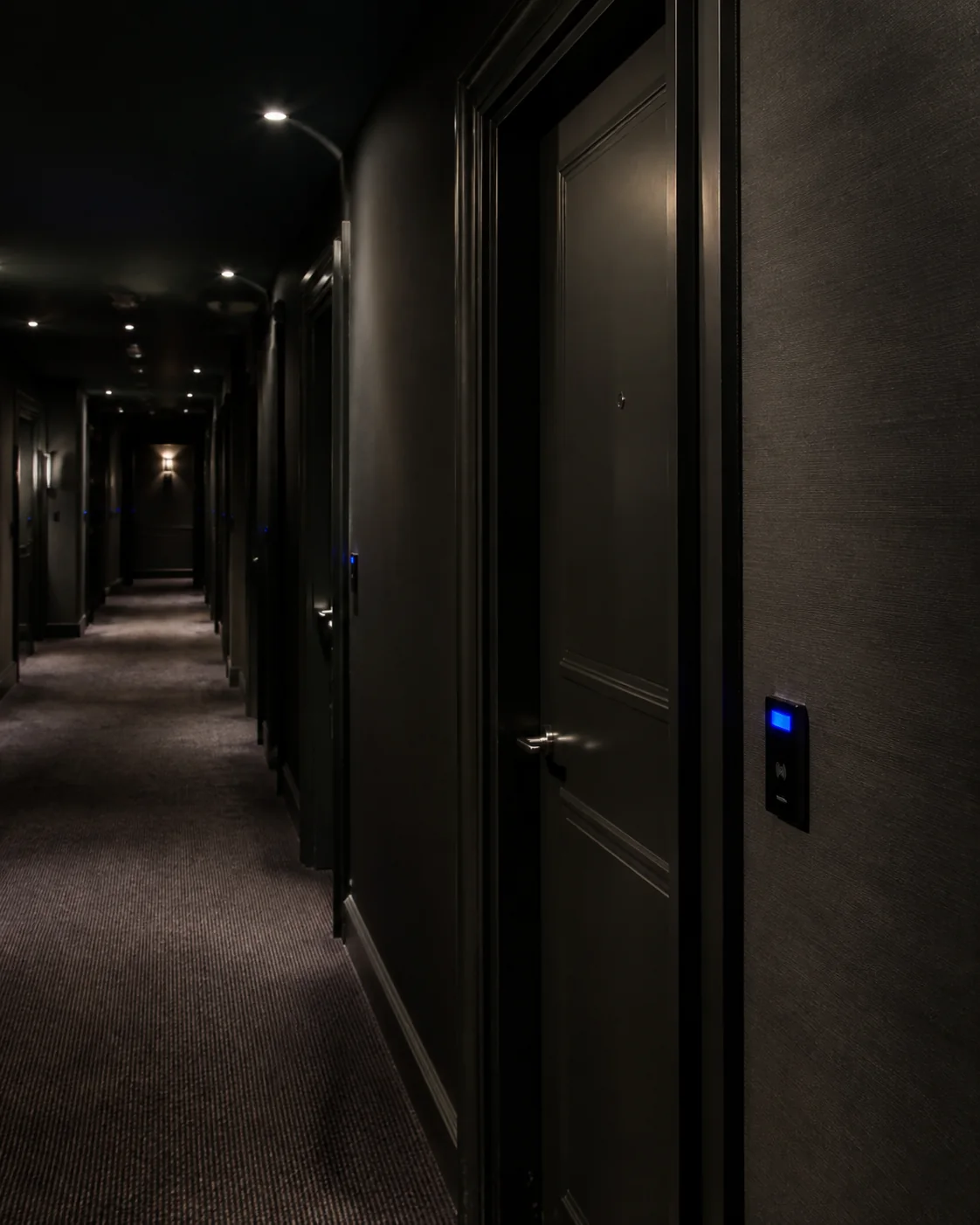
An empty hotel corridor
Hotel controlled

Your floor price remains yours.

You choose the rooms, timing, quantity and minimum acceptable price.

Rate protected

Separate the offer from public comparison.

Your hotel can remain hidden until booking, reducing direct comparison with public rates.

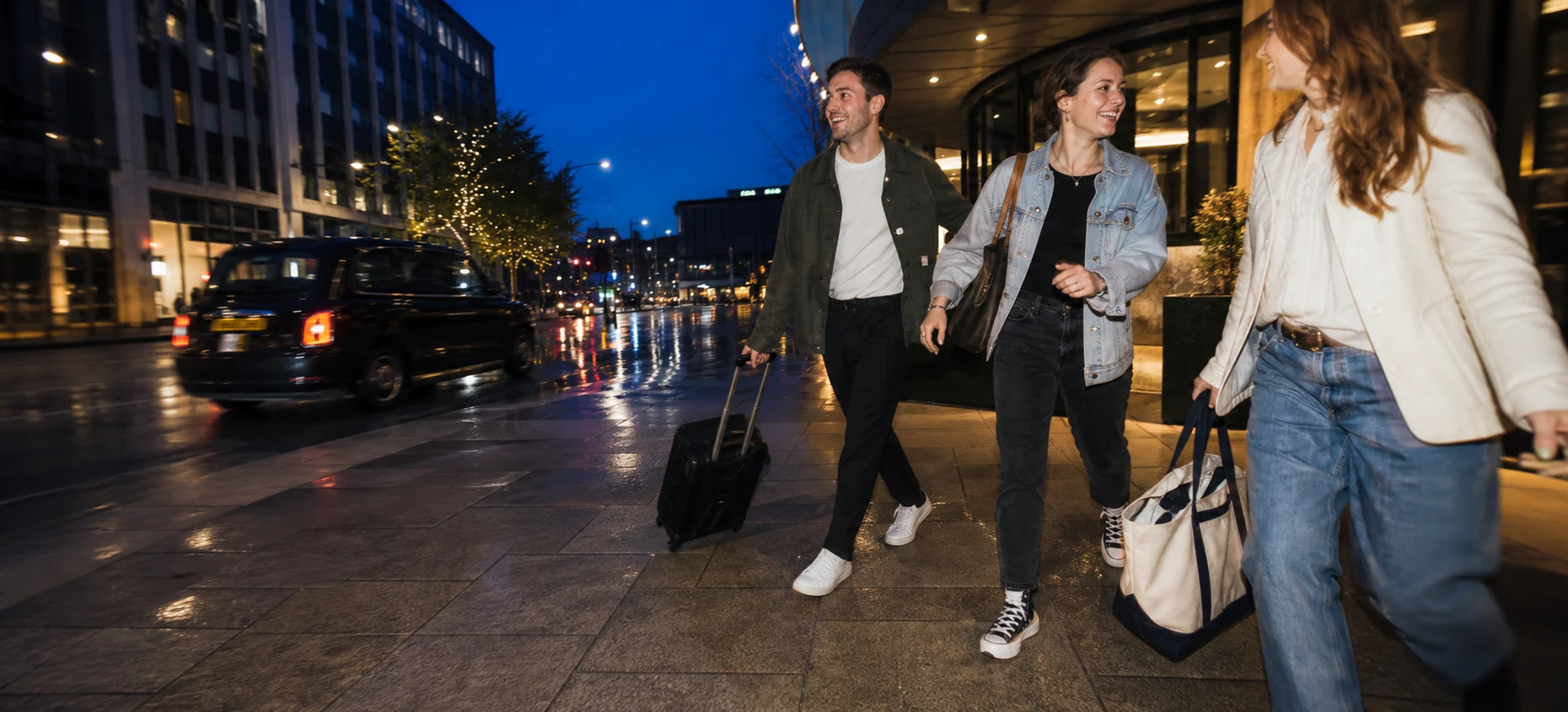
Guests arriving at a city hotel

Read the model correctly

One useful conclusion. One important limit.

Founding hotel partners

Bring us your cost floor. Keep control of everything above it.

Apply for your city